


S&P 500: 3.68% DOW: 3.19% NASDAQ: 4.91% 10-YR Yield: 4.02%
What Happened?
Markets served up more gravy than drama this Thanksgiving week, as stocks rallied and yields slipped on growing conviction that the Fed is closer to easing than tightening. Major US indices logged a string of gains, with the S&P 500 and Nasdaq posting some of their strongest daily advances since the summer as the AI trade regained momentum and year‑to‑date returns pushed further into double‑digit territory. Under the surface, the macro data leaned softer: September retail sales rose just 0.2%, consumer confidence fell to a seven‑month low of 88.7, and survey‑based expectations continued to flag a cooler growth backdrop. That mix of resilient asset prices and moderating activity helped pull the 10‑year Treasury yield back toward 4%, while futures markets priced in elevated odds of another quarter‑point cut at the Fed’s December meeting after back‑to‑back reductions in September and October.
Taken together, this week looked less like a turning point and more like a late‑cycle balancing act: equities cheered the prospect of lower borrowing costs, even as the underlying data pointed to a consumer and labor market that are cooling, not crashing. The macro verdict is that the “Goldilocks” narrative is still alive but more fragile, growth is slowing toward a more sustainable pace, inflation pressures are easing, and policy is drifting gently toward neutral, yet any negative surprise on spending, jobs, or inflation could quickly jolt both rate expectations and valuations.

Consumer Confidence Fades and Retail Sales Growth Cools
- September retail and food services sales rose just 0.2% month‑over‑month versus expectations closer to 0.3–0.4%, the slowest pace in four months and down from a 0.6% gain in August.
- The Conference Board’s Consumer Confidence Index fell 6.8 points in November to 88.7, its weakest reading since April and well below the long‑run average near 100.
The key takeaway – This holiday week lands at a pivotal moment for US growth expectations, as long-delayed data show the consumer starting to lose a bit of steam just as the Fed debates its next move. September retail sales, a key proxy for consumer spending, rose only 0.2% month‑over‑month, undershooting consensus for roughly a 0.3–0.4% gain and marking a clear downshift from the stronger pace seen over the summer. At the same time, consumer confidence tumbled in November to 88.7, its lowest level since spring and well below the threshold that historically flags rising recession risk. That combination of softer spending and gloomier sentiment matters because household consumption makes up roughly two‑thirds of US GDP, meaning any sustained pullback quickly bleeds into headline growth. Layer in earlier signs of a cooling labor market, and the macro picture looks more like lukewarm gravy than a booming holiday feast.
Still, this is not an outright “consumer collapse” narrative so much as a late‑cycle normalization that could keep the Fed on a dovish path. With goods spending barely outpacing inflation in September and confidence sliding just as Black Friday and holiday shopping kick into gear, markets are leaning further into the view that weaker demand will do some of the Fed’s inflation‑fighting for it. Futures are now assigning higher odds to additional rate cuts over the coming months, reflecting a belief that policymakers will move to cushion growth if softer data persist. For now, the holiday season is more of a temperature check than a turning point, offering fresh evidence on whether consumer demand is merely normalizing from elevated levels or easing more broadly.
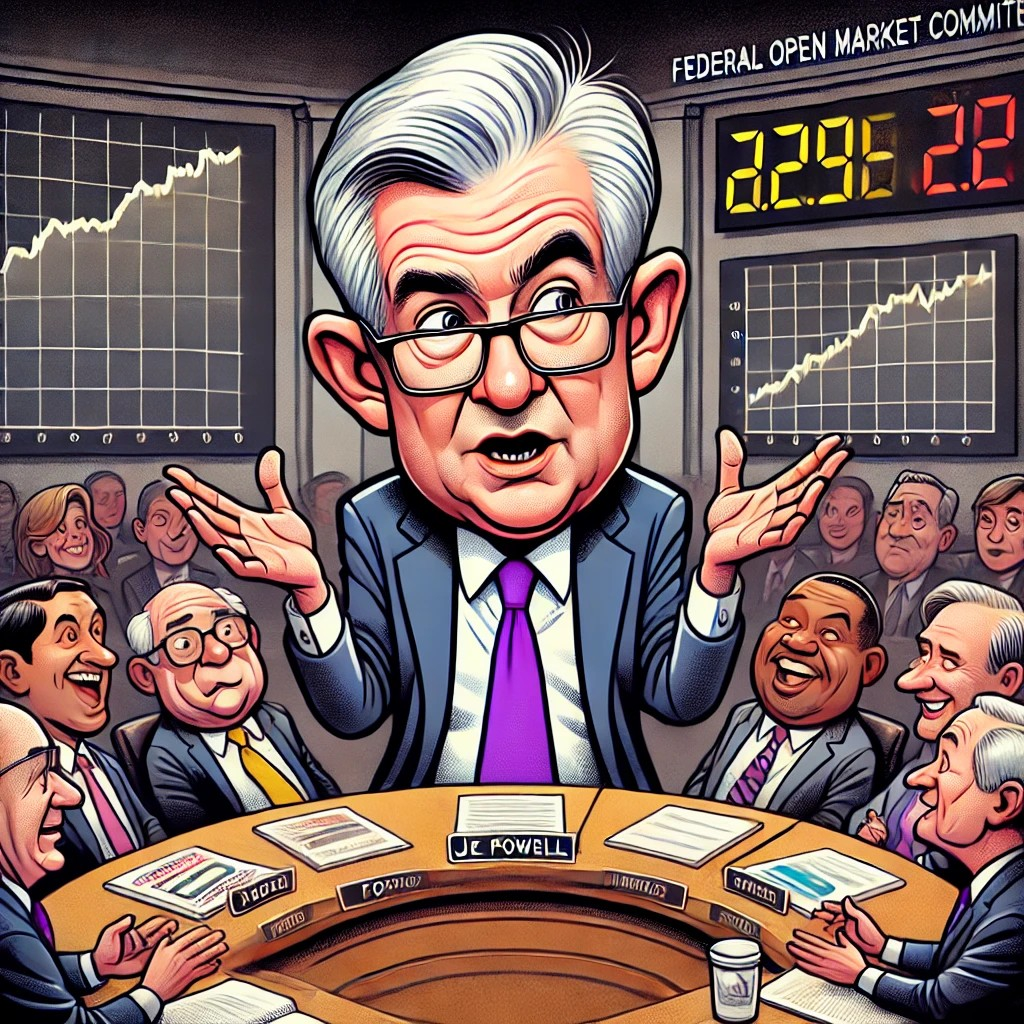
Fed’s Daly Backs December Rate Cut, Citing Vulnerable Labor Market
- Daly openly backed a 25 bps December cut, arguing the labor market looks “vulnerable” and job losses are now the bigger risk than sticky inflation.
- After her comments and similar signals from Williams and Waller, markets pushed December cut odds back toward roughly three‑in‑four.
The key takeaway – Fed chatter shifted from cautious to openly dovish this week, as key policymakers began framing the next move as about protecting jobs rather than squeezing out the last bit of inflation. San Francisco Fed President Mary Daly said she now supports another quarter‑point cut at the December meeting, arguing that the labor market looks “vulnerable” to a sharper downturn and that a sudden rise in unemployment would be harder to fix than a modest inflation overshoot. Her comments followed similar signals from New York Fed President John Williams and Governor Christopher Waller, who have both pointed to cooling job growth and softer inflation as reasons why policy no longer needs to be as restrictive, pushing market‑implied odds of a December cut back into the 70–80% range after wobbling earlier in the month.
For markets, the takeaway is that the Fed’s reaction function is tilting more clearly toward the employment side of its mandate: officials are increasingly willing to risk slightly looser financial conditions to avoid a non‑linear break in the labor market. That narrative has supported equities and eased longer‑term yields, as investors price a gentler policy path for 2026 and a lower probability of a hard landing, even while acknowledging that the committee remains divided and data‑dependent heading into the December vote.
From Around the Watercooler

Bank of Mexico Cuts 2025 Growth Estimate After Third-Quarter Contraction
Ukraine’s Zelenskyy says his chief of staff has resigned
National Guard member dies as ambush in U.S. capital becomes political flashpoint