

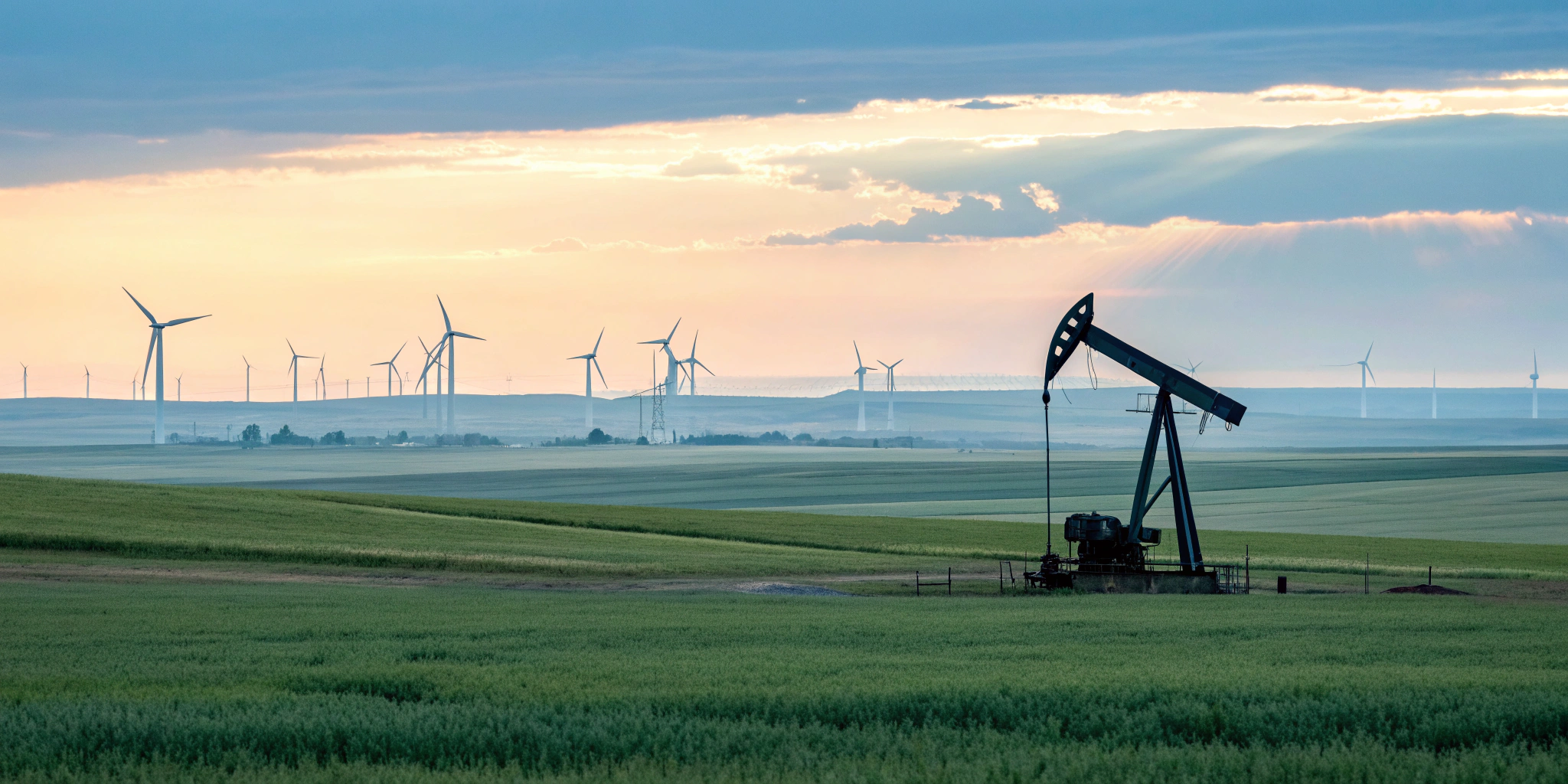
It’s clear the global energy transition is no longer a distant concept—it’s a present-day economic reality. The speed of this change is remarkable, with renewable energy adoption accelerating at a pace that is reshaping investment landscapes worldwide. This shift is driven by powerful economic forces, as clean energy becomes more affordable than traditional alternatives. However, this transition doesn’t happen in a vacuum. It’s influenced by persistent demand for natural gas, the challenges of modernizing our grid, and the global competition for critical materials. In this energy market commentary, we will explore how these dynamics interact and what they signal for long-term investment opportunities.
Key Takeaways
- Look Beyond Short-Term Volatility: While geopolitical events cause immediate price swings in oil and gas, the fundamental, long-term driver of the market is the economic shift to renewables. A sound strategy involves understanding this distinction between temporary news and the structural transition.
- The Clean Energy Transition is a Full Supply Chain Opportunity: The move to renewables creates investment potential far beyond just solar panels and wind turbines. Key growth areas include the technologies for energy storage, the modernization of the electrical grid, and the supply of critical minerals required for production.
- Policy and Infrastructure Set the Pace: Government incentives and climate agreements are accelerating private investment in clean energy. The primary bottleneck—and a significant investment area—is the massive infrastructure upgrade required to build a grid that can support this new energy landscape.
What’s Shaping Today’s Energy Market?
To understand where the energy market is headed, we need to look at the powerful forces shaping it right now. It’s a complex picture, influenced by everything from international relations to the technology in our homes. For investors, seeing these moving parts clearly is the first step toward making informed decisions. Three key areas are driving the most significant changes: volatile global supply chains, rapid technological advancements in energy storage, and a fundamental shift in how we all consume energy.
Supply Chains and Production Shifts
Global energy markets are incredibly sensitive to geopolitical events. Tensions between nations, trade policies, and decisions made by organizations like OPEC+ create ripple effects that directly impact supply and prices. We’ve seen how conflicts can disrupt the flow of resources and how international relations can influence everything from production levels to investment in new projects. These geopolitical risks are not just background noise; they are a primary driver of market volatility and a key factor in assessing the stability of energy-related investments.
Tech’s Impact on Storage and Grids
Technology is fundamentally changing how we generate, store, and distribute power. Major advancements in energy storage, especially with lithium-ion batteries, are making renewable energy sources like wind and solar more reliable. Better storage means we can capture energy when the sun is shining and use it when it’s not, which helps stabilize the power grid. This innovation is critical for integrating more renewables and modernizing our energy infrastructure, creating new opportunities in grid technology and battery production.
The Consumer Shift to Electrification
At the consumer and commercial levels, we’re seeing a massive shift toward electrification and renewable energy. This isn’t just a trend; it’s a large-scale economic transition. In fact, global additions of renewable capacity recently grew by nearly 50% in a single year, the fastest rate in two decades. A major reason for this acceleration is cost. Renewables are becoming increasingly affordable, with many new projects now proving more cost-effective than fossil fuel alternatives. This growing demand for clean power is reshaping long-term investment outlooks across the entire energy sector.
How Geopolitics Affect Energy Prices
From conflicts in the Middle East to policy decisions made in Washington or Brussels, global events can send immediate ripples through the energy market. These geopolitical factors often create volatility because they directly influence the availability and flow of energy resources like oil and natural gas. When supply is threatened, or even just perceived to be at risk, prices tend to react swiftly. For investors, understanding these dynamics is key to interpreting market movements and positioning a portfolio to weather potential shocks. It’s less about predicting the next global event and more about recognizing how different types of events can impact energy supply, demand, and ultimately, price.
Regional Conflicts and Supply Disruptions
When conflicts arise in major energy-producing regions, the immediate market reaction is often driven by fear of supply disruptions. The threat of damage to infrastructure like pipelines or shipping lanes can cause prices to spike, even if the actual flow of oil or gas hasn’t stopped. This is because traders price in the risk of a future shortage. The effect isn’t always straightforward; it can vary depending on the type of energy and the countries involved. For instance, a conflict affecting a major oil producer will have a different impact than one in a region critical for natural gas transit. These events highlight how sensitive the global energy supply chain is to regional instability.
The Role of Trade Policies and Sanctions
Trade policies, tariffs, and economic sanctions are powerful tools that governments use to achieve foreign policy goals, and they have a direct impact on energy markets. When a country imposes sanctions on a major oil and gas exporter, it effectively removes a portion of the global supply from the open market. This reduction in available barrels can lead to higher prices for everyone. For example, tighter sanctions on a nation like Iran could significantly reduce its daily oil output, putting upward pressure on crude prices. These policies create a clear cause-and-effect scenario where political decisions translate directly into market supply constraints.
OPEC+ Decisions and Market Reactions
The Organization of the Petroleum Exporting Countries and its allies (known as OPEC+) play a significant role in managing global oil supply. This group of major oil-producing nations meets regularly to decide on production quotas for its members. By agreeing to cut or increase production, OPEC+ can directly influence the balance between supply and demand, which in turn affects prices. A decision to cut production, for instance, is intended to reduce global supply and support higher prices. The market watches these meetings closely, and even the anticipation of a particular OPEC+ decision can cause prices to shift as traders adjust their positions.
Investor Sentiment and Speculation
Beyond the hard numbers of supply and demand, investor sentiment and speculation play a huge part in energy price volatility. Geopolitical tensions create uncertainty, and in an uncertain market, speculation can thrive. News headlines about potential conflicts or policy changes can trigger rapid buying or selling, sometimes creating price bubbles that aren’t fully supported by market fundamentals. This psychological element means that the threat of a supply disruption can have just as much impact on short-term prices as an actual one. For investors, this underscores the importance of separating news-driven noise from long-term market trends.
Key Factors in Energy Supply and Demand
The energy market is a dynamic landscape shaped by a constant push and pull between what we produce and what we consume. Understanding these core drivers is fundamental to seeing where the market is headed. It’s not just about one fuel source versus another; it’s about how growing industries, new technologies, and global economic shifts are creating a complex and interconnected system. From the persistent need for natural gas to the explosive growth of renewables, these factors create both challenges and opportunities for investors.
The Growing Demand for Natural Gas
Even as renewables gain ground, the demand for natural gas is growing, driven by some surprising sources. The global appetite for Liquefied Natural Gas (LNG) continues to expand, creating a robust export market. At the same time, the digital economy is placing unprecedented demands on our power infrastructure. The proliferation of data centers, which are essential for cloud computing and AI, requires a massive and reliable supply of energy, and natural gas is often called upon to meet that need. This sustained demand shows that traditional energy sources still play a critical role in the global economy.
Record Growth in Renewable Energy
The transition to renewable energy isn’t just a future concept; it’s happening now at a remarkable pace. In 2023, global annual renewable capacity additions surged by nearly 50%, marking the fastest growth in two decades. This isn’t just driven by policy—it’s driven by economics. Renewables are becoming increasingly cost-effective, with a staggering 91% of new renewable projects commissioned last year being cheaper than any new fossil fuel alternatives. This economic advantage is accelerating the shift and reshaping the financial viability of energy projects worldwide, making clean energy a compelling area for investment.
Modernizing the Grid for Industrial Needs
The rapid evolution of renewable energy technologies has introduced a new challenge: our existing power grids weren’t designed for them. Solar and wind power are intermittent, meaning they don’t generate electricity 24/7. This requires a smarter, more flexible grid capable of storing energy and managing fluctuations in supply. As a result, there’s a growing need for investment in grid modernization, including advanced energy storage systems and smart grid technologies. This infrastructure overhaul is essential to support the continued growth of renewables and meet modern industrial demands.
The Rise of Emerging Markets
While developed nations have been the primary focus of the energy transition, the next wave of growth is in emerging markets. These economies are experiencing rising energy demand as their populations and industries expand. However, they currently receive only about 15% of global clean energy spending. This disparity highlights a significant opportunity. Directing investment toward clean energy projects in these regions can meet growing demand sustainably, support economic development, and open up new frontiers for investors looking to participate in the global energy transition.
How Renewables Are Changing the Game
The conversation around renewable energy has shifted from a future possibility to a present-day market reality. This transition is no longer a niche interest; it’s a powerful force reshaping global energy infrastructure, supply chains, and investment landscapes. The rapid acceleration is driven by a convergence of factors: plummeting costs, significant technological breakthroughs, and supportive government policies. For investors, understanding this shift is critical, as it creates a new set of variables that influence everything from commodity prices to industrial growth.
The most significant change is the sheer scale and speed of adoption. In a recent landmark year, global annual renewable capacity additions surged by nearly 50%, marking the fastest growth rate in two decades. This isn’t just about adding more solar panels or wind turbines; it’s about integrating smarter, more resilient technologies that are fundamentally altering how we produce, store, and distribute power. Innovations in energy storage are solving the long-standing challenge of intermittency, while artificial intelligence is optimizing grid management for unprecedented efficiency. This evolution is creating a dynamic environment, impacting traditional energy sectors and opening new avenues for growth.
Why Renewables Are Becoming More Affordable
One of the biggest drivers behind the energy transition comes down to simple economics. Renewables are now consistently the most affordable source of new electricity. This is a result of decades of innovation, scaled manufacturing, and increased efficiency, particularly in solar and wind technologies. The numbers speak for themselves: an incredible 91% of new renewable power projects that came online recently were more cost-effective than any new fossil fuel alternatives. This economic advantage makes renewables an attractive choice for both governments and private investors, accelerating their deployment worldwide and creating a self-reinforcing cycle of growth and further cost reductions.
Solving the Energy Storage Problem
A common concern with renewables like solar and wind has always been their intermittent nature—they only produce power when the sun is shining or the wind is blowing. However, advancements in energy storage technologies are effectively solving this problem. Innovations in battery technology and other forms of long-term energy storage allow grid operators to store excess energy generated during peak production times and release it when demand is high or production is low. This capability is essential for creating a stable, reliable grid powered primarily by renewables, making clean energy a more dependable and practical solution for our power needs.
Using AI to Manage the Grid
The modern energy grid is an incredibly complex system, and integrating variable renewable sources adds another layer of complexity. This is where artificial intelligence comes in. The integration of AI and Big Data into grid management is one of the most exciting developments in the energy sector. AI algorithms can analyze vast amounts of data to predict energy demand, forecast weather patterns for renewable generation, and optimize the flow of electricity in real time. This not only improves the efficiency and reliability of the grid but also helps prevent outages and reduce operational costs, making the entire system smarter and more resilient.
The Effect on Fossil Fuel Prices
While renewables are expanding rapidly, the transition’s effect on fossil fuels is complex. Demand for oil, natural gas, and coal has remained surprisingly resilient, often influenced by economic growth and geopolitical events that impact supply chains and prices. For instance, ongoing geopolitical uncertainty can cause sharp swings in crude oil prices, independent of renewable energy growth. This creates a dual-track market where the long-term decline of fossil fuels coexists with short-term price volatility and persistent demand. For investors, this means the energy market will likely remain a mix of old and new for the foreseeable future.
Which Economic Factors Create Volatility?
Beyond daily headlines, several core economic forces are constantly influencing energy prices and creating market volatility. Understanding these factors—from inflation and policy decisions to broad shifts in investment and currency values—is key to seeing the bigger picture. For investors, recognizing how these elements interact can help clarify market movements and inform a more resilient strategy. These economic undercurrents often have a more sustained impact than short-term supply disruptions, shaping the landscape for months and even years to come.
Inflation, Policy, and Infrastructure
Inflation directly affects the energy sector by increasing the cost of everything from raw materials to labor, which producers often pass on to consumers. At the same time, government policies and central bank actions aimed at controlling inflation can slow economic activity, reducing energy demand. Global conflicts and political tensions add another layer of complexity, as these geopolitical risks can disrupt supply chains and influence market sentiment. The state of our infrastructure—pipelines, grids, and storage facilities—also plays a critical role. Outdated or insufficient infrastructure can create bottlenecks that lead to price spikes, even when supply is otherwise stable.
How Economic Growth Affects Energy Use
There’s a simple, direct link between economic growth and energy consumption: when economies expand, they use more energy. Businesses produce more goods, transportation increases, and consumers buy more products, all of which requires power. For instance, global energy demand saw significant growth in recent years, outpacing the average rate of the previous decade. This rising demand, especially from emerging markets, puts upward pressure on prices. Factors like OPEC+ policies and the economic health of major players like China also have a major influence on the global supply-and-demand balance, creating ripples across the entire market.
Investment Shifts: Traditional vs. Clean Energy
The flow of capital is a powerful indicator of the energy market’s future. We’re seeing a significant shift as investors direct enormous sums toward clean energy. In 2023 alone, a record-breaking $303.3 billion in energy transition financing was deployed in the U.S. for technologies like renewables and electric vehicles. This isn’t just about environmental goals; it’s driven by economics. With the majority of new renewable projects now being more cost-effective than new fossil fuel alternatives, the financial incentive is clear. This redirection of investment not only accelerates the growth of renewables but also impacts the valuation and long-term outlook for traditional energy assets.
The Impact of Currency on Energy Trade
Because major energy commodities like oil are priced in U.S. dollars, fluctuations in currency markets have a direct impact on energy costs around the world. When the dollar strengthens, it takes more of a local currency to buy a barrel of oil, which can dampen demand in other countries. Conversely, a weaker dollar can make oil cheaper for foreign buyers, potentially increasing demand. While factors like spare production capacity can help keep a lid on extreme price swings, the interplay between currency values and geopolitical events remains a key source of market volatility that investors need to watch closely.
How Policy Changes Steer the Market
When governments make a move, the energy market feels it. From national incentives to international climate agreements, policy decisions create powerful currents that can redirect investment, reshape production costs, and ultimately determine which energy sources thrive. For investors, understanding these top-down forces is crucial for identifying both long-term opportunities and potential risks. Policy isn’t just background noise; it’s a fundamental market driver that directly influences the financial viability of energy projects around the globe.
Government Incentives for Renewables
Financial incentives are one of the most direct ways governments encourage the shift to clean energy. Policies like tax credits, grants, and subsidies make renewable projects more attractive to private investors. This approach is clearly working, as private sector investment in the U.S. energy transition reached a record $303.3 billion in 2023, according to the Business Council for Sustainable Energy’s 2024 market trends. This flood of capital is accelerating innovation and driving down costs, making renewables competitive on their own merits. In fact, an incredible 91% of new renewable power projects commissioned last year were more cost-effective than any new fossil fuel alternatives.
How Regulations Impact Production Costs
While incentives pull the market toward renewables, regulations often push it away from traditional energy sources. Rules governing emissions, land use, and waste disposal can increase operational costs for fossil fuel producers. At the same time, these standards drive demand for cleaner technologies and more efficient processes. The impact is significant; new renewable capacity added since 2000 is estimated to have cut electricity sector fuel costs in 2023 by at least $409 billion. The evolution of energy technologies, especially in storage, is a direct response to this regulatory environment, creating a powerful cycle of policy-driven innovation and cost reduction across the grid.
Climate Pledges and Where the Money Goes
Global climate agreements set the long-term direction for the energy transition, signaling to markets where future investment should flow. These high-level commitments translate into national policies that are having a measurable effect. The International Energy Agency reports that global annual renewable capacity additions grew by nearly 50% in 2023—the fastest rate in two decades. This shift is also felt in household budgets. As the grid gets cleaner and more efficient, energy spending has decreased, accounting for just 4.2% of total U.S. personal consumption expenditures, a drop from the previous year as gasoline and natural gas prices fell.
The Challenge of Regulatory Uncertainty
Despite the clear momentum toward clean energy, the path isn’t always smooth. Shifting political landscapes can lead to policy changes, creating uncertainty for projects with long development timelines. According to KPMG, geopolitical complexities and economic uncertainty are the top challenges facing energy companies. On the ground, practical hurdles can also cause major delays. Lengthy permitting processes and local community opposition can stall even the most promising clean energy projects, reminding investors that policy goals don’t always translate into immediate, frictionless execution. This uncertainty is a key risk factor to consider in any energy-related investment.
Where Are Energy Prices Headed?
Predicting the future of energy prices involves looking at two different timelines. In the short term, volatility is often driven by immediate, real-world events that can disrupt supply and demand. But when you zoom out, a clearer long-term picture emerges, shaped by major technological shifts and global policy changes. Understanding both of these views is essential for building a resilient investment strategy that can weather today’s uncertainty while preparing for tomorrow’s opportunities. The key is to see how the daily headlines connect to the larger story of a global energy transition.
Short-Term Risks: Geopolitics and Supply
In the immediate future, energy prices are heavily influenced by geopolitical instability. Conflicts, trade disputes, and sanctions can create sudden shocks to the supply chain, causing prices to spike. We’ve seen how tensions in key regions can lead traders to anticipate future oil disruptions, putting upward pressure on prices. Decisions from groups like OPEC+ also play a major role, as their production policies can instantly alter the global supply balance. These geopolitical factors are a constant source of market volatility, reminding us that energy is deeply intertwined with international relations and global security.
The Long-Term Shift to Renewables
Looking further ahead, the most significant trend is the accelerating shift toward renewable energy. The growth here is staggering; in 2023 alone, global renewable capacity additions increased by nearly 50%, the fastest rate in two decades. This isn’t just a policy goal—it’s an economic reality driven by falling costs and technological advancements. As solar, wind, and other clean sources become a larger part of our energy mix, they will fundamentally reshape the market. This transition won’t happen overnight, but its momentum is undeniable and presents a major shift for long-term investment planning.
The Hunt for Critical Materials
The transition to clean energy has created a new kind of supply chain challenge: the demand for critical materials. Building solar panels, wind turbines, and batteries requires specific minerals like lithium, cobalt, and copper. As the world builds out its renewable infrastructure, the competition for these resources is intensifying. This has created new geopolitical pressure points and investment opportunities. Recognizing this, agencies like the U.S. Energy Information Administration are launching projects to gather better data on critical minerals, highlighting their growing importance in the global energy landscape.
The Cost of Upgrading Our Grids
Generating renewable energy is only half the battle; we also need a grid that can handle it. Much of our current electrical infrastructure was built for a different era and isn’t equipped to manage the variable nature of wind and solar power. Grid infrastructure is now a primary barrier to clean energy growth, with massive investments needed to modernize transmission lines and integrate new technologies. Advancements in grid-scale battery storage are helping solve this problem, but upgrading the entire system is a monumental task that will require significant capital and time, creating distinct opportunities for infrastructure investors.
What This Means for Your Investment Strategy
Understanding the forces at play in the energy market is the first step. The next is translating that knowledge into a clear investment approach. The transition to new energy sources, combined with geopolitical and economic volatility, creates a complex picture. For investors, this means re-evaluating traditional portfolio allocations and staying informed about how these large-scale shifts can affect long-term growth and risk. It’s about looking beyond the daily headlines to see the structural changes taking shape and positioning your strategy accordingly. A proactive approach is essential for managing the risks and identifying the opportunities within this evolving landscape.
Adjusting Your Portfolio for the Energy Transition
The global shift toward renewable energy is happening faster than many realize. In 2023 alone, the world saw a nearly 50% increase in renewable capacity additions, marking the fastest growth rate in two decades. This isn’t just about environmental policy; it’s about economics. The International Renewable Energy Agency (IRENA) found that 91% of new renewable power projects commissioned last year were more cost-effective than any new fossil fuel alternatives. For investors, this data signals a fundamental change in the energy sector. A modern portfolio should reflect this transition, considering allocations to companies leading in renewable technology, grid modernization, and energy storage solutions. Ignoring this trend means potentially missing out on one of the most significant economic transformations of our time.
Partnering with a Professional for Market Analysis
The energy sector’s complexity is growing. The rapid evolution of renewable technologies has completely changed how we generate and use power. Innovations are happening at every level, from utility-scale solar farms to advancements in battery storage. For example, investments in lithium-ion batteries have not only powered the electric vehicle boom but have also led to major improvements in grid-scale energy storage. Keeping up with these technological breakthroughs and their market implications is a full-time job. Working with a financial professional who has deep expertise in the energy market can help you make sense of these changes and identify which developments hold the most promise for your portfolio.
Assessing Risk in a Volatile Market
Geopolitical events have always played a major role in energy markets, but their effects are becoming more unpredictable. Research shows that geopolitical risks impact energy consumption in complex and asymmetrical ways, depending on a country’s development status and whether it’s a net energy exporter or importer. For instance, while a global geopolitical shock might generally push oil prices down, specific tensions involving major players like China or Russia can cause sharp price increases. This volatility requires a sophisticated approach to risk management. A sound investment strategy involves assessing how different geopolitical scenarios could affect your holdings and building a diversified portfolio that can withstand unexpected market shocks.
Connecting Energy Trends to the Broader Economy
The changes in the energy market have a ripple effect across the entire economy. The growing adoption of renewables is not just an industry trend; it’s a significant economic driver. Since 2000, new renewable capacity has helped reduce electricity sector fuel costs by hundreds of billions of dollars, putting more money back into the pockets of businesses and consumers. In the U.S., energy spending as a percentage of personal consumption expenditures has fallen, partly due to lower gasoline prices and stable utility costs. This shows how the energy transition can contribute to lower inflation and increased discretionary spending, creating a more favorable environment for economic growth and a wider range of investments.
Related Articles
- How to Read Financial Market News: A Simple Guide
- 9 Top Investment Trends 2025 You Need to Know
- Global Market Outlook: What Investors Should Expect
Frequently Asked Questions
If renewables are getting so cheap, why are fossil fuel prices still so volatile? Think of it as two separate stories happening at once. The long-term story is the steady, cost-driven shift to renewables. The short-term story is that our global economy still runs heavily on oil and natural gas. This means fossil fuel prices are highly sensitive to immediate events like geopolitical conflicts, OPEC+ production decisions, and supply chain disruptions. While renewables are reshaping the future, today’s market still reacts strongly to any perceived threat to the current fossil fuel supply.
What is the biggest hurdle holding back renewable energy right now? The main challenge isn’t generating the power—it’s delivering it effectively. Our current electrical grid was designed for a different era of centralized power plants, not for intermittent sources like wind and solar spread across vast areas. The biggest hurdle is modernizing this infrastructure. This involves building out new transmission lines and, crucially, investing in energy storage solutions like large-scale batteries to provide consistent power even when the sun isn’t shining or the wind isn’t blowing.
How does something like a strong U.S. dollar actually impact the energy market? Because major commodities like crude oil are priced in U.S. dollars on the global market, currency fluctuations have a direct effect. When the dollar strengthens, it takes more of another country’s currency to buy a barrel of oil. This can make energy more expensive for other nations, potentially reducing their demand. It’s a key economic factor that can either amplify or soften the impact of other supply and demand issues.
Why is there so much focus on modernizing the electrical grid? The grid we have today was built for consistent, predictable power flowing from a few large power plants. Renewable energy is different; it’s often generated in many different locations and is variable by nature. A modern grid needs to be a flexible, two-way street that can manage power from thousands of sources, predict demand using smart technology, and store excess energy for later. Without these upgrades, we can’t reliably integrate the massive amount of clean energy being produced.
With all this complexity, what’s the first step I should take to adjust my investment strategy? A great first step is to simply review your current portfolio with the energy transition in mind. Ask yourself how your holdings are positioned for a future that includes more electrification, grid modernization, and new supply chains for critical materials. Given how quickly things are changing, it’s also wise to consider working with a financial professional who specializes in the sector. They can help you separate the noise from the meaningful trends and align your strategy with your long-term goals.